


























Sleeping Pills: Understanding Insomnia and Treatment Options
Being unable to fall asleep, lying awake for hours, or waking repeatedly during the night can be frustrating. Persistent insomnia may affect energy levels, mood, concentration, and general wellbeing.
Stress, anxiety and depression, certain medical conditions, medications, and irregular sleep habits can all contribute to sleep difficulties. Identifying the underlying cause is an important step towards finding appropriate treatment.
Improving sleep habits, reducing late-day caffeine, and creating a comfortable bedroom environment may help. Medication may be considered in selected cases following an appropriate assessment.
What Is Insomnia and What Causes It?
Insomnia is a sleep disorder that makes it difficult to fall asleep, stay asleep, or return to sleep after waking. Some people wake earlier than intended and cannot fall asleep again. Even after spending enough time in bed, they may still feel unrefreshed.
Most adults need at least seven hours of sleep regularly, although individual needs vary. Persistent poor sleep can affect attention, memory, mood, and everyday functioning.
Common contributors to insomnia include:
- Stress, anxiety, or depression
- Irregular sleep schedules and poor sleep habits
- Caffeine, nicotine, or alcohol use
- A noisy, bright, or uncomfortable bedroom
- Persistent pain or other medical conditions
- Some prescription and non-prescription medicines
- Shift work, jet lag, or changes to the normal sleep routine
Insomnia may improve when its underlying cause is addressed. If it continues for weeks or begins to affect daily life, a healthcare professional can help determine the likely cause and discuss suitable treatment.
Common Symptoms of Insomnia
Insomnia affects people differently. Symptoms can occur at night, during the day, or both.
Difficulty Falling Asleep
Taking a long time to fall asleep despite feeling tired.
Frequent Night Awakenings
Waking repeatedly during the night or struggling to return to sleep.
Early Morning Waking
Waking earlier than intended and being unable to fall asleep again.
Daytime Fatigue
Feeling tired, sleepy, irritable, or less alert during the day.
Other possible effects include difficulty concentrating, memory problems, reduced motivation, and changes in mood. Persistent symptoms should be discussed with a healthcare professional.
How Is Insomnia Diagnosed?
A healthcare professional usually assesses insomnia by discussing sleep patterns, symptoms, medical history, medications, and lifestyle factors. A physical examination or further tests may be recommended when another condition is suspected.
You may be asked to keep a sleep diary for one or two weeks. This can record:
- Your usual bedtime and wake-up time
- How long it takes you to fall asleep
- How often you wake during the night
- Daytime naps and levels of tiredness
- Caffeine, alcohol, and medication use
A sleep diary can help identify patterns and guide treatment. Depending on your symptoms, a clinician may also investigate conditions such as sleep apnoea or restless legs syndrome.
How Can I Prevent or Reduce Insomnia?
Good sleep habits can improve sleep quality and may reduce recurring sleep difficulties. They do not prevent every cause of insomnia, but they provide a useful starting point.
Daytime Habits
- Keep a consistent sleep and wake schedule.
- Exercise regularly, but avoid strenuous activity close to bedtime.
- Limit long or late-afternoon naps.
- Use relaxation techniques to manage stress.
Bedtime Habits
- Reduce caffeine later in the day.
- Avoid heavy meals close to bedtime.
- Limit screens and stimulating activities before bed.
- Follow a relaxing bedtime routine.
Bedroom Environment
- Keep the room dark and quiet.
- Maintain a comfortable temperature.
- Choose a supportive mattress and pillow.
- Reserve the bed primarily for sleep.
Stress Management
- Try breathing exercises or meditation.
- Write down worries before bedtime.
- Consider counselling when stress persists.
- Seek advice if poor sleep continues.
How Is Insomnia Treated?
Treatment depends on the cause, duration, and severity of sleep difficulties. Improving sleep habits is often helpful, but persistent insomnia may require a structured treatment plan.
Cognitive Behavioural Therapy for Insomnia (CBT-I)
CBT-I is a structured treatment that helps people change thoughts and behaviours that interfere with sleep. It is commonly recommended as a first-line treatment for chronic insomnia and can provide lasting benefits.
- Stimulus control: Rebuilding the association between bed and sleep.
- Sleep restriction: Carefully adjusting time in bed to improve sleep efficiency under appropriate guidance.
- Relaxation techniques: Reducing physical tension and racing thoughts.
- Cognitive therapy: Addressing unhelpful beliefs and worries about sleep.
When Are Sleeping Pills Considered?
Sleeping tablets may be considered when insomnia is severe, short-term relief is necessary, or other approaches have not provided sufficient benefit. The appropriate choice depends on the person's health, other medicines, and the type of sleep difficulty.
Some sleep medicines can cause next-day drowsiness, impaired coordination, tolerance, dependence, or withdrawal symptoms. They may also interact dangerously with alcohol, opioids, and other sedating substances. Use prescription sleep medication only as directed by a qualified healthcare professional.
Types of Sleeping Pills and Sleep Aids
1. Over-the-Counter Sleep Aids
Some non-prescription sleep aids contain sedating antihistamines. They may cause drowsiness, dry mouth, dizziness, and reduced alertness the following day. They are not suitable for everyone and are generally not recommended for routine or long-term insomnia treatment. Ask a pharmacist or clinician before using them.
Browse the sleeping pills category for general product information.
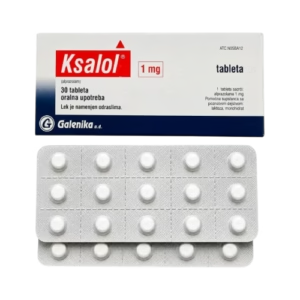
2. Benzodiazepines
Benzodiazepines act on the central nervous system and may be prescribed in selected circumstances for short-term sleep difficulties or other specific conditions. They can cause sedation, tolerance, dependence, and withdrawal, so they require careful medical supervision.
They should not be combined with alcohol or opioids unless a qualified clinician has specifically addressed the risks.
3. Z-Drugs
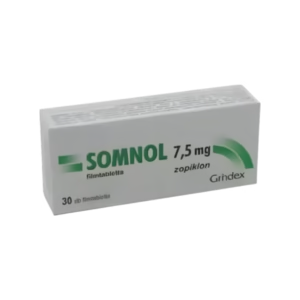
Zolpidem and zopiclone are prescription medicines used for certain cases of insomnia. They can help with specific sleep difficulties but may cause next-day impairment, dependence, or unusual sleep behaviours. They are not appropriate for everyone, and treatment duration should be determined by the prescriber.
4. Melatonin
Melatonin is a hormone involved in regulating the body's sleep-wake cycle. Melatonin products may be useful for particular circadian rhythm problems or selected cases of sleep difficulty, depending on age, health, and local prescribing guidance. They are not a universal treatment for chronic insomnia.
Learn more in our sleep aids category.
Frequently Asked Questions About Sleeping Pills
What commonly causes insomnia?
Stress, anxiety, depression, irregular sleep patterns, shift work, caffeine, pain, medical conditions, and certain medicines can contribute to insomnia. More than one factor may be involved.
How long can insomnia last?
Short-term insomnia may last several days or weeks. Chronic insomnia is generally defined as sleep difficulty occurring at least three nights per week for at least three months, with associated daytime effects.
Which medicines are used to treat insomnia?
Depending on the diagnosis, a clinician may consider certain prescription sleep medicines, selected non-prescription products, or other treatments. Zolpidem and zopiclone are prescription medicines in many countries and should be used only under appropriate medical supervision.
Can insomnia improve without sleeping tablets?
Yes. CBT-I, consistent sleep routines, stress management, and addressing underlying medical or lifestyle factors can improve sleep. CBT-I is a recommended treatment for chronic insomnia.
What medicines are used to treat insomnia?
You can use over the counter sleeping pills like Zopiclone and Zolpidem. There are also some natural remedies that can help you treat sleeplessness like chamomile tea, lavender tea and warm milk before going to bed.