









Nootropics are substances marketed or studied for their potential effects on cognitive functions such as attention, memory, and alertness. They include certain supplements as well as prescription medicines used for specific medical conditions.
Their effects vary considerably depending on the substance, the individual, and the reason for use. Nootropics are not a universal solution for brain fog, fatigue, poor concentration, or sleep-related problems, and they cannot replace adequate sleep or appropriate medical care.
What Is a Nootropic?
Nootropics is a broad term covering substances intended to influence aspects of mental performance. Some are marketed as supplements, while others are prescription medicines developed to treat diagnosed conditions such as narcolepsy or attention-deficit/hyperactivity disorder (ADHD).
People may be interested in these substances for concentration, learning, memory, or daytime alertness. However, evidence supporting cognitive benefits differs between products, and some claims made in supplement marketing are not well established.
For related information, explore our nootropics category.
How Do Nootropics Work?
Different nootropics work through different biological mechanisms. Their effects depend on their active ingredients, dosage, and intended medical use.
Neurotransmitter Activity
Some substances influence chemical messengers in the brain that contribute to attention, motivation, memory, and alertness. Their effects are not identical, and benefits cannot be assumed for every product.
Alertness and Wakefulness
Some prescription medicines promote wakefulness in people with particular sleep disorders. They are not interchangeable with ordinary energy supplements or treatments for sleep deprivation.
Memory and Learning
Some ingredients are studied for their possible effects on memory and learning. Research findings vary, and there is no guarantee that a supplement will improve cognitive performance in healthy individuals.
Stress and Mental Fatigue
Some products are marketed for stress management or mental fatigue. Evidence differs by ingredient, and persistent stress or concentration difficulties may require professional assessment.
What Are Nootropics Used For?
Different products have different intended uses. Prescription medicines should be used for their approved indications and under appropriate medical supervision.
Supporting Wakefulness
Some prescription medicines are used to improve wakefulness in people with conditions such as narcolepsy. Depending on the diagnosis, other treatments may be needed for sleep-related conditions. Learn more about sleep-related medicines.
Attention and Concentration
Certain prescription medicines can help manage attention difficulties associated with diagnosed conditions. They should not be taken solely to improve productivity without an appropriate medical assessment.
Memory and Information Processing
Some nootropic ingredients are researched for their potential effects on memory and information processing. The strength of evidence varies, and results may differ between individuals.
Managing Daytime Fatigue
Persistent daytime sleepiness can result from insufficient sleep, shift work, sleep disorders, or other medical conditions. Identifying the cause is more useful than relying on stimulants to mask ongoing fatigue.
Important: Nootropics are not a substitute for adequate sleep. Adults generally need around 7–9 hours of sleep per night. Ongoing daytime sleepiness, difficulty concentrating, or persistent brain fog should be discussed with a healthcare professional.
Possible Side Effects of Nootropics
Side effects depend on the specific substance, dose, interactions, and individual health conditions. Possible effects include:
Sleep and Energy Changes
- Difficulty sleeping
- Fatigue or dizziness
- Restlessness or jitteriness
Physical Effects
- Headaches
- Digestive discomfort
- Increased blood pressure or heart rate with some substances
Mood Changes
- Anxiety
- Irritability or mood changes
- Agitation in some individuals
Tolerance and Dependence
Some substances can lead to tolerance, misuse, or dependence. These risks vary by product and are particularly important with certain prescription stimulants.
Seek medical advice if side effects persist or worsen. Chest pain, fainting, severe agitation, or a markedly rapid or irregular heartbeat warrants urgent medical assessment.
How to Use Nootropics More Safely
Safety depends on the substance and the person's health. The following precautions can help reduce avoidable risks:
- Consult a healthcare professional: Discuss your symptoms, medical history, and other medicines before using a prescription product or a supplement with potential drug interactions.
- Prioritise sleep and nutrition: Adequate rest, balanced meals, hydration, and regular physical activity support general health and cognitive function.
- Follow prescribed directions: Do not increase a dose or change how frequently you take a medicine without professional guidance.
- Avoid combining products casually: Taking several supplements, stimulants, or prescription medicines together can increase the risk of interactions and side effects.
- Consider the timing: Some substances can interfere with sleep when taken later in the day. Follow the specific instructions provided for your medicine rather than applying a single timing rule to all nootropics.
- Review existing health conditions: High blood pressure, heart problems, anxiety, and sleep disorders can affect whether a particular product is suitable.
- Do not create arbitrary cycling schedules: There is no universal five-days-on, two-days-off schedule established as safe for all nootropics. Follow product-specific medical guidance.
Nootropics Interactions With Other Medicines
Nootropics can interact with prescription medicines, supplements, caffeine, and other substances. The nature and seriousness of an interaction depend on the ingredients involved.
Antidepressants and Other Medicines
Some combinations can affect neurotransmitter activity, blood pressure, or mood. A pharmacist or prescriber should review potential interactions before use.
Heart and Blood Pressure Medicines
Some substances can increase heart rate or blood pressure or alter the effects of cardiovascular medicines. Medical advice is especially important for people with heart conditions.
Blood Thinners
Some supplements may affect bleeding risk or interact with anticoagulants and antiplatelet medicines. The risk depends on the particular ingredient, so a blanket assumption about all nootropics is inappropriate.
Sleeping Medicines and Sedatives
Combining wakefulness-promoting substances with sedatives or sleeping medicines may produce unpredictable effects and does not make inadequate sleep safe.
Caffeine and Stimulants
Combining multiple stimulants can increase the risk of anxiety, headaches, palpitations, sleep disruption, and other adverse effects.
Alcohol and Recreational Substances
These combinations may affect alertness, judgement, coordination, and other bodily functions. Ask a healthcare professional about the risks associated with your specific medicine.
Modafinil: A Prescription Wakefulness-Promoting Medicine
Modafinil is a prescription medicine used to promote wakefulness in certain conditions associated with excessive daytime sleepiness. Its recognised uses include narcolepsy and, in some jurisdictions, sleepiness associated with obstructive sleep apnoea or shift work disorder.
Modafinil is sometimes discussed as a cognitive-enhancement drug, but its effects on attention and performance vary. It is not a substitute for sleep, and its use by people without a diagnosed indication requires careful consideration of the risks and evidence.
What Is Modafinil Used For?
Modafinil helps promote wakefulness and reduce excessive sleepiness in people for whom it is prescribed. It affects several signalling systems in the brain, including dopamine-related pathways, although its complete mechanism of action is not fully understood.
It does not cure underlying sleep disorders or eliminate the need for adequate rest. People with persistent sleepiness should receive an appropriate assessment to identify the cause and determine suitable treatment.
Possible Side Effects of Modafinil
Modafinil can cause side effects, and not everyone experiences the medicine in the same way. Possible effects include:
- Headache
- Nausea or digestive discomfort
- Dizziness
- Anxiety or nervousness
- Difficulty sleeping or insomnia
- Increased heart rate or blood pressure in some people
Modafinil can also cause rare but serious skin reactions and allergic reactions. Stop taking it and seek urgent medical attention if you develop a severe rash, swelling of the face or throat, or difficulty breathing. Chest pain or significant changes in mood also warrant prompt medical assessment.
Frequently Asked Questions
When should modafinil be taken?
Timing depends on the condition being treated and the prescriber's instructions. For narcolepsy or obstructive sleep apnoea, it is commonly prescribed in the morning. For shift work disorder, the timing may be linked to the work shift. Follow your prescription and do not adjust the schedule yourself.
What are three common side effects of modafinil?
Headache, nausea, and nervousness or anxiety are possible side effects. Other effects may occur, and symptoms should not automatically be assumed to disappear within 24 hours. Contact a healthcare professional if they persist, worsen, or concern you.
What strengths does modafinil come in?
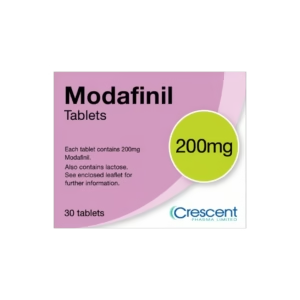
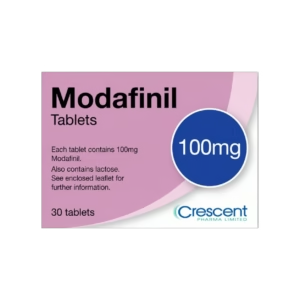
Modafinil tablets are commonly available in 100 mg and 200 mg strengths in some markets. Availability varies by country and product. The appropriate strength must be determined by the prescribing professional rather than personal preference.
Can nootropics replace sleep?
No. Wakefulness-promoting medicines may reduce sleepiness in certain diagnosed conditions, but they do not replace the physical and cognitive benefits of adequate sleep.
This article is for general educational purposes only. It does not replace professional medical advice, diagnosis, or treatment. Prescription medicines should be obtained and used in accordance with applicable regulations and a qualified healthcare professional's instructions.