

































Pain Relief: Causes, Symptoms and Treatment Options
Pain is a common health concern that can range from mild discomfort to severe symptoms that interfere with everyday activities. Its intensity, location, and duration depend on the underlying cause. Injuries, inflammation, infections, and other medical conditions can all lead to pain.
Acute pain generally develops suddenly and may improve as an injury or illness heals. Chronic pain persists or recurs over a longer period and may affect sleep, mobility, mood, and quality of life.
Appropriate pain relief depends on the cause of the symptoms. Over-the-counter medicines may help with some common types of mild pain, while persistent or severe pain may require medical assessment and a more comprehensive treatment plan.
What Is Pain and What Causes It?
Pain is an unpleasant sensory and emotional experience associated with actual or potential tissue damage. It is one way the body signals that something may be wrong, although persistent pain can sometimes continue after the original injury has healed.
Pain can feel sharp, dull, burning, aching, or throbbing. It may remain in one area or spread to other parts of the body. The appropriate treatment depends on its cause, severity, and duration.
Common causes of pain include:
Muscle and Joint Pain
Sprains, strains, arthritis, overuse, and other musculoskeletal conditions.
Headaches and Migraines
Pain affecting the head, sometimes accompanied by nausea or sensitivity to light.
Menstrual and Dental Pain
Menstrual cramps, toothaches, gum problems, and dental infections.
Nerve-Related Pain
Burning, tingling, shooting pain, or unusual sensitivity associated with nerve damage or dysfunction.
Other causes may include fractures, infections, inflammation, back problems, and long-term medical conditions. Severe or unexplained pain should not be managed with painkillers alone without investigating the cause.
How Is Pain Diagnosed?
Diagnosing pain usually begins with a discussion of your symptoms, medical history, and a physical examination. Additional investigations may be necessary when an underlying condition is suspected.
Your healthcare professional may ask about:
- Where the pain is located and when it started
- Whether the pain is sharp, dull, burning, aching, or throbbing
- How severe the pain is and whether it comes and goes
- What makes the pain better or worse
- Previous injuries, medical conditions, and current medicines
- How the pain affects sleep, movement, work, and daily activities
- Which treatments you have already tried and whether they helped
Depending on the findings, your clinician may recommend blood tests, imaging, or other assessments. The purpose is to identify the likely cause and develop a suitable treatment plan.
How Can I Reduce the Risk of Pain?
Not all pain can be prevented, but certain habits may reduce the risk of some injuries and health conditions and support recovery.
- Seek early treatment for injuries and persistent symptoms.
- Exercise regularly and build strength and flexibility gradually.
- Use appropriate lifting techniques and maintain good posture.
- Get sufficient sleep and allow time for recovery after exercise.
- Maintain a balanced diet and a healthy weight where appropriate.
- Practise stress-management techniques.
- Maintain good oral hygiene to reduce the risk of dental problems.
- Follow recommended preventive care for existing medical conditions.
If pain persists, becomes more severe, or begins to interfere with daily life, consult a healthcare professional rather than relying on repeated self-treatment.
Pain Relief and Treatment Options
The most appropriate pain treatment depends on the cause, intensity, duration, medical history, and other medicines a person takes. Treating the underlying condition is often an important part of effective pain management.
For some mild types of pain, non-prescription medicines may provide relief when used according to their labels. Moderate, severe, persistent, or nerve-related pain may require a clinician to assess other treatment options.
Over-the-Counter Pain Relievers
Some non-prescription medicines are used for headaches, muscle aches, menstrual cramps, and other common types of pain. The choice depends on the symptoms and the person's health. These medicines can still cause side effects or interact with other treatments, so follow the product instructions and ask a pharmacist when unsure.
Explore the pain relief category for general information.
Opioid Analgesics
Opioid analgesics are prescription medicines that may be used for selected cases of moderate to severe pain, including certain situations following surgery or serious injury. Their suitability depends on the cause of the pain and an individual assessment of potential benefits and risks.
Opioids act on receptors in the nervous system to reduce the perception of pain. They can cause significant adverse effects and are not appropriate for every type of pain. When prescribed, the clinician should use an appropriate treatment plan and monitor the patient's response.
Possible Side Effects
- Drowsiness and dizziness
- Nausea and vomiting
- Constipation
- Reduced alertness and coordination
- Respiratory depression, which can be life-threatening
- Tolerance, physical dependence, and withdrawal with ongoing use
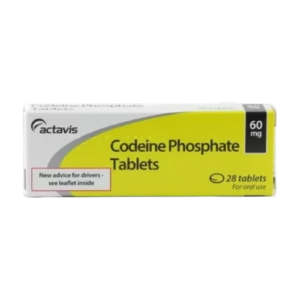
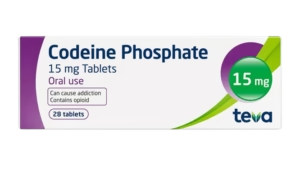
Examples of opioid medicines include codeine, dihydrocodeine, and tramadol. These medicines have different indications and risks and should be used only when prescribed and according to the prescriber's instructions.
Dihydrocodeine
Dihydrocodeine is an opioid analgesic used for certain types of pain when a clinician considers it appropriate.
Read more about dihydrocodeine.
Tramadol
Tramadol is a prescription opioid analgesic used for selected cases of pain. It can interact with other medicines and may cause sedation, dependence, seizures, or serious breathing problems in some circumstances.
Read more about tramadol.
Medicines for Neuropathic Pain
Neuropathic pain develops when nerves are damaged or do not function normally. It may feel like burning, electric shocks, shooting pain, tingling, or unusual sensitivity to touch.
It can occur with conditions such as diabetic neuropathy, post-herpetic neuralgia, and certain nerve injuries. Ordinary painkillers may not provide sufficient relief for some types of nerve pain, so clinicians may consider medicines specifically used for neuropathic pain.
Depending on the diagnosis, treatment may include selected antidepressants or anticonvulsant medicines. The choice depends on the person's symptoms, medical history, other medicines, and potential side effects.
Pregabalin
Pregabalin is prescribed for certain conditions involving nerve pain and other approved indications. It may cause dizziness, drowsiness, blurred vision, or swelling. It can also cause dependence in some people and may increase the risk of breathing problems when combined with opioids or other sedating medicines.
Read more about pregabalin.
Gabapentin
Gabapentin is another medicine used for certain types of neuropathic pain. Possible side effects include dizziness, sleepiness, and coordination problems. It should be taken according to the prescribed instructions, and treatment should not be stopped suddenly without medical advice.
For more information about neuropathic pain, consult a reliable medical resource such as the Cleveland Clinic's guide to neuropathic pain.
Other Pain Management Approaches
Medication is not the only way to manage pain. Depending on the cause, a healthcare professional may recommend one or more of the following:
Physiotherapy
Guided exercises and movement strategies to improve strength, flexibility, and function.
Physical Activity
Appropriately paced activity can support recovery and help manage some persistent pain conditions.
TENS
Transcutaneous electrical nerve stimulation may help some people, although results vary by condition.
Psychological Support
Selected coping strategies and psychological therapies can help people manage the impact of persistent pain.
Other treatments, such as nerve blocks or acupuncture, may be considered in selected circumstances. The best approach depends on the diagnosis and should be discussed with a qualified healthcare professional.
Important Considerations When Using Pain Medicines
- Follow the product label or your prescription instructions.
- Do not exceed the recommended dose or take multiple products containing the same active ingredient.
- Ask a pharmacist or clinician about interactions with your current medicines.
- Check before using pain medicines if you have kidney or liver disease, stomach ulcers, or other significant medical conditions.
- Do not combine opioids with alcohol or sedating medicines unless your clinician has specifically assessed the combination.
- Seek medical advice if pain worsens, persists, or is accompanied by concerning symptoms.
Frequently Asked Questions About Pain Relief
Can I use painkillers for ongoing pain?
Some pain medicines may be used for longer-term conditions under professional supervision. However, the risks differ between medicines. Regular use should be reviewed by a clinician to assess effectiveness, side effects, and alternative treatments.
When should I see a doctor about pain?
Seek medical advice if pain is severe, unexplained, recurrent, worsening, or interfering with sleep and everyday activities. Sudden severe pain or pain accompanied by emergency warning signs requires urgent assessment.
Are there ways to manage pain without medicine?
Yes. Depending on the cause, physiotherapy, appropriate exercise, heat or cold therapy, relaxation techniques, and psychological support may help. A healthcare professional can recommend suitable options.
Are prescription painkillers safe?
Prescription pain medicines can be beneficial when appropriately selected and monitored, but they can also cause side effects and interactions. Opioids and medicines used for nerve pain require particular care and should be taken only as directed.