





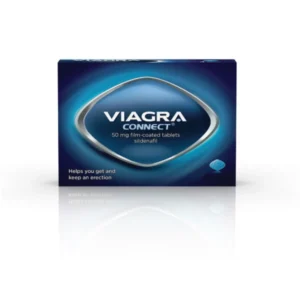
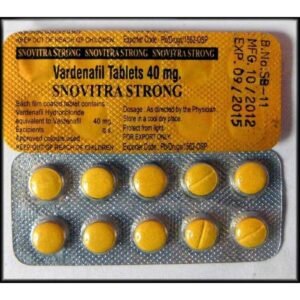
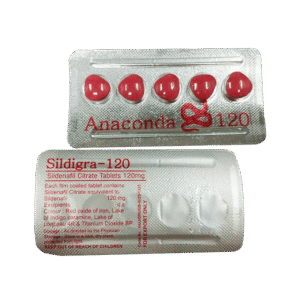



Sexual health is an important part of overall well-being. It can influence confidence, relationships, emotional health, and intimacy. Men may experience concerns such as erectile dysfunction, premature ejaculation, reduced libido, sexually transmitted infections (STIs), or anxiety about sexual performance.
These concerns can have several causes, including stress, lifestyle habits, underlying health conditions, and certain medications. Understanding the cause is an important step toward finding appropriate treatment.
Common Sexual Health Problems
Sexual health concerns can affect men at different stages of life. Recognising common symptoms can help individuals understand when to seek professional advice.
Erectile Dysfunction
Erectile dysfunction (ED) involves difficulty achieving or maintaining an erection firm enough for sexual activity. Occasional problems can occur, but persistent symptoms should be assessed by a healthcare professional.
Premature Ejaculation
Premature ejaculation occurs when ejaculation happens sooner than desired and causes distress or difficulties during sexual activity. Read more about premature ejaculation.
Reduced Libido
A reduced libido means having less interest in sexual activity. Stress, hormonal changes, relationship difficulties, certain medicines, and other health conditions may contribute.
Sexual Performance Anxiety
Stress or fear about sexual performance can affect confidence, arousal, and erectile function. Counselling and appropriate medical support may help address these concerns.
Underlying Health Conditions
Diabetes, cardiovascular disease, high blood pressure, and hormonal changes can affect sexual function. Some medicines may also contribute to sexual difficulties.
Sexually Transmitted Infections
STIs can affect sexual and reproductive health. Testing, appropriate treatment, and preventive measures are important when exposure or symptoms are suspected.
What Is Erectile Dysfunction (ED)?
Erectile dysfunction is the persistent or recurring difficulty of achieving or maintaining an erection suitable for sexual activity. It is a common concern that may arise from physical, psychological, or combined factors.
Possible contributors include cardiovascular disease, diabetes, hormonal changes, smoking, stress, anxiety, and certain prescription medicines. A healthcare professional can assess potential causes and recommend an appropriate treatment plan based on an individual's symptoms and medical history.
Treatment Options for Erectile Dysfunction
Treatment depends on the cause of the problem, general health, current medications, and individual circumstances. Options may include prescribed medication, lifestyle changes, counselling, or management of an underlying condition.
PDE5 Inhibitors
Phosphodiesterase type 5 (PDE5) inhibitors are commonly prescribed for erectile dysfunction. Examples include:
- Sildenafil
- Tadalafil
- Vardenafil
- Avanafil
These medicines help improve blood flow to the penis during sexual stimulation. They do not directly increase sexual desire and are not suitable for everyone. A qualified healthcare professional should determine whether treatment is appropriate.
Lifestyle Changes
Healthy habits may support sexual function and general well-being. Maintaining a balanced diet, exercising regularly, getting enough sleep, managing stress, avoiding smoking, and limiting alcohol can contribute to better overall health.
Treating Underlying Conditions
When erectile difficulties are linked to another medical condition, addressing that condition may help improve symptoms. A healthcare professional can review existing medications, assess relevant risk factors, and discuss suitable treatment options.
Safety and Precautions
Erectile dysfunction medicines require careful use. Before taking these medicines, consider the following precautions:
- Avoid nitrate medicines: Combining sildenafil or similar ED medicines with nitrates can cause a dangerous drop in blood pressure.
- Follow medical instructions: Use medicines only as directed and never exceed the recommended dose.
- Check for interactions: Inform your healthcare professional about all prescription medicines, non-prescription products, and supplements you take.
- Discuss heart and blood pressure conditions: Some medical conditions can affect whether an ED medicine is appropriate.
- Recognise urgent symptoms: Chest pain, sudden vision or hearing loss, or an erection lasting longer than four hours requires urgent medical attention.
Drug Interactions to Know About
Some medicines and substances can interact with erectile dysfunction treatments. Important examples include:
- Nitrates: The combination can cause a severe reduction in blood pressure.
- Alpha-blockers: These medicines may increase the risk of low blood pressure when used with ED treatments.
- Other ED medicines: Combining erectile dysfunction treatments without medical advice may increase the risk of side effects.
- Recreational substances: Certain substances can affect blood pressure or interact with prescribed medicines.
Always disclose your current medicines and relevant health conditions before starting treatment.
Kamagra and Erectile Dysfunction
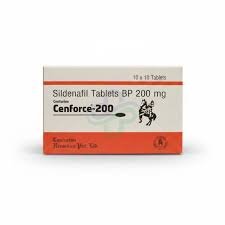
Kamagra is marketed in products that claim to contain sildenafil, a medicine used to treat erectile dysfunction. However, products sold under this name may not have undergone the same regulatory checks as authorised medicines in the UK.
Important safety information: Do not assume a product is authentic, safe, or regulator-approved simply because it is advertised as containing sildenafil. The regulatory status and quality of a product should be verified before use. A legitimate pharmacy and qualified healthcare professional can help you identify an appropriate treatment.
Kamagra Oral Jelly and Tablets
Products marketed as Kamagra may be advertised in different formulations, including oral jelly and tablets. However, the quality, ingredients, and safety of unauthorised products cannot be confirmed from marketing claims alone.
Kamagra Oral Jelly
Marketed as a jelly formulation, sometimes supplied in flavoured sachets. Verify the product's regulatory status and ingredients before considering its use.
Kamagra Tablets
Marketed as tablets intended to be swallowed with water. Do not rely solely on advertised dosage, onset time, or duration claims when evaluating an unverified medicine.
How Does Sildenafil Work?
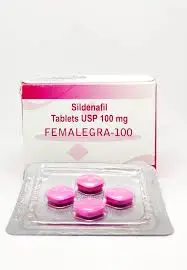
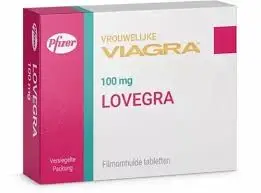
Sildenafil belongs to the PDE5 inhibitor class of medicines. It helps relax blood vessels and improve blood flow to the penis during sexual stimulation, which can make it easier to achieve and maintain an erection.
Sildenafil does not independently trigger sexual desire or guarantee an erection. Its suitability depends on medical history, current medicines, and other health factors.
Potential Benefits and Side Effects
When appropriately prescribed, authorised sildenafil can help many men manage erectile dysfunction. As with other medicines, it can also cause side effects.
Common Side Effects
- Headache
- Facial flushing
- Nasal congestion
- Indigestion
Serious Warning Signs
- Chest pain
- Sudden changes in vision or hearing
- An erection lasting more than four hours
Seek urgent medical attention if serious symptoms occur. Never combine sildenafil with nitrate medicines. Consult a healthcare professional before using it alongside alpha-blockers or other medicines that affect blood pressure.
Frequently Asked Questions
Are sexual health products safe to use?
Safety depends on the product, its ingredients, regulatory status, and the user's health. Authorised medicines should be used according to professional instructions. Products from unverified sources may contain incorrect ingredients, inconsistent doses, or contaminants.
How long does sildenafil take to work?
Sildenafil commonly begins working within approximately 30–60 minutes, although timing varies. Food, particularly a high-fat meal, may delay its effect. Its effects can last several hours, but this does not mean an erection will persist throughout that period.
How often can sildenafil be taken?
For many adults prescribed standard sildenafil for erectile dysfunction, the usual maximum frequency is once in 24 hours. The appropriate dose and frequency depend on individual circumstances and medical advice. Do not combine it with other ED medicines or use it more frequently than directed.
Can lifestyle changes improve sexual health?
Regular physical activity, adequate sleep, a balanced diet, stress management, and avoiding smoking may support sexual function. Persistent symptoms should still be evaluated because they may indicate an underlying health condition.
This article is for general educational purposes and does not replace medical advice, diagnosis, or treatment from a qualified healthcare professional.